


Incidence and impact of heavy menstrual bleeding in adolescent girls treated with anticoagulants
2024-2025
Informations

The project at a glance
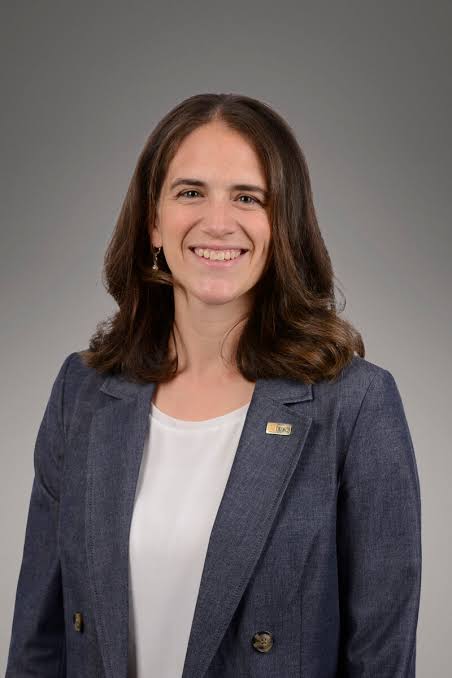
Pre Marie-Claude Pelland-Marcotte
Adolescent girls treated with anticoagulants are at risk of heavy menstrual bleeding, leading to anemia and a reduced quality of life. Almost no study has focused on them. This project finally measures the scale of the problem.
126%increase in venous thromboembolism among children and adolescents in twenty years
55adolescent girls followed in two hospitals, in Québec City and Montréal
1 in 5adolescent girls on anticoagulants, at least, appears to be affected by heavy bleeding
The project in detail
What is at stakeAmong adult women on anticoagulants, up to 60% have heavy menstrual bleeding, which leads to iron deficiency, anemia and poorer adherence to treatment. Adult data cannot easily be applied to adolescent girls.
The hypothesisBetween 25 and 30% of adolescent girls will have heavy bleeding, especially in the first cycle after treatment begins.
The methodA prospective cohort study conducted in two hospitals. It measures how common the bleeding is, how it is prevented and treated, and the girls’ quality of life.
What comes nextThe team then aims for a study bringing together Quebec’s four pediatric research institutes.
The teamProf. Marie-Claude Pelland-Marcotte, of the CHU de Québec-Université Laval, works with Dr. Christine Sabapathy, of the McGill University Health Centre, Isabelle Laverdière and Dr. Sarah Maheux-Lacroix, of the CHU de Québec.
What it changes for young people
A problem finally measuredKnow the real burden in order to design large prevention studies.
Informed cliniciansRaise awareness of this risk among those who prescribe anticoagulants.
A better quality of lifePrevent anemia and help adolescent girls follow their treatment.
CONTEXT
Venous thromboembolism has increased by 126% among children and adolescents over the past two decades, which has multiplied the use of anticoagulants. Among adult women on anticoagulants, up to 60% have heavy menstrual bleeding, leading to iron deficiency, anemia, reduced quality of life and poorer adherence to treatment. Few studies have focused on adolescent girls, and adult data cannot easily be applied to them.
OBJECTIVES
- Measure how common heavy menstrual bleeding is among adolescent girls on anticoagulants. The hypothesis is that 25 to 30% will experience it, especially in the first cycle after treatment begins.
- Describe how this bleeding is prevented and treated.
- Describe the quality of life of adolescent girls, with and without heavy bleeding.
- Follow 55 adolescent girls in a prospective cohort study conducted in two hospitals, in Québec City and Montréal.
POTENTIAL IMPACT ON CHILDREN’S HEALTH
Venous thromboembolism affects about 1% of hospitalized children and adolescents. Among adolescent girls treated with anticoagulants, heavy bleeding appears to affect at least one in five, with significant effects on physical health and quality of life. The problem has been little studied. Measuring this burden is essential to design large prevention studies and to raise awareness among clinicians. The team then aims for a study bringing together Quebec’s four pediatric research institutes.
Research on heavy menstrual bleeding on anticoagulants
This project is part of the research on heavy menstrual bleeding on anticoagulants supported by the Pediatric Research Foundation in Quebec.
Other projects in Child’s health and human development
Other projects in the same area
Child’s health and human development
Informations

Principal researcher
- Dre Marie-Claude Pelland-Marcotte, Chercheure associée Axe Reproduction, santé de la mère et de l'enfant, CHUL
Collaborators
- Dre Christine Sabapathy, hématologue pédiatrique (Centre universitaire de santé McGill)
- Dre Sarah Maheux-Lacroix, gynécologue et clinicienne-chercheuse (CHU de Québec)
- Isabelle Laverdière, pharmacienne et clinicienne-chercheuse (CHU de Québec)
Research Center
- Centre de recherche du CHU de Québec-Université Laval
Funded year
2024-2025
Project category
- Child’s health and human development