


Treating lazy eye by reading e-books
2023-2024
Informations

 2023 winnerPediatric Research Foundation Excellence GrantNational Competition for Young Researchers
The project at a glance
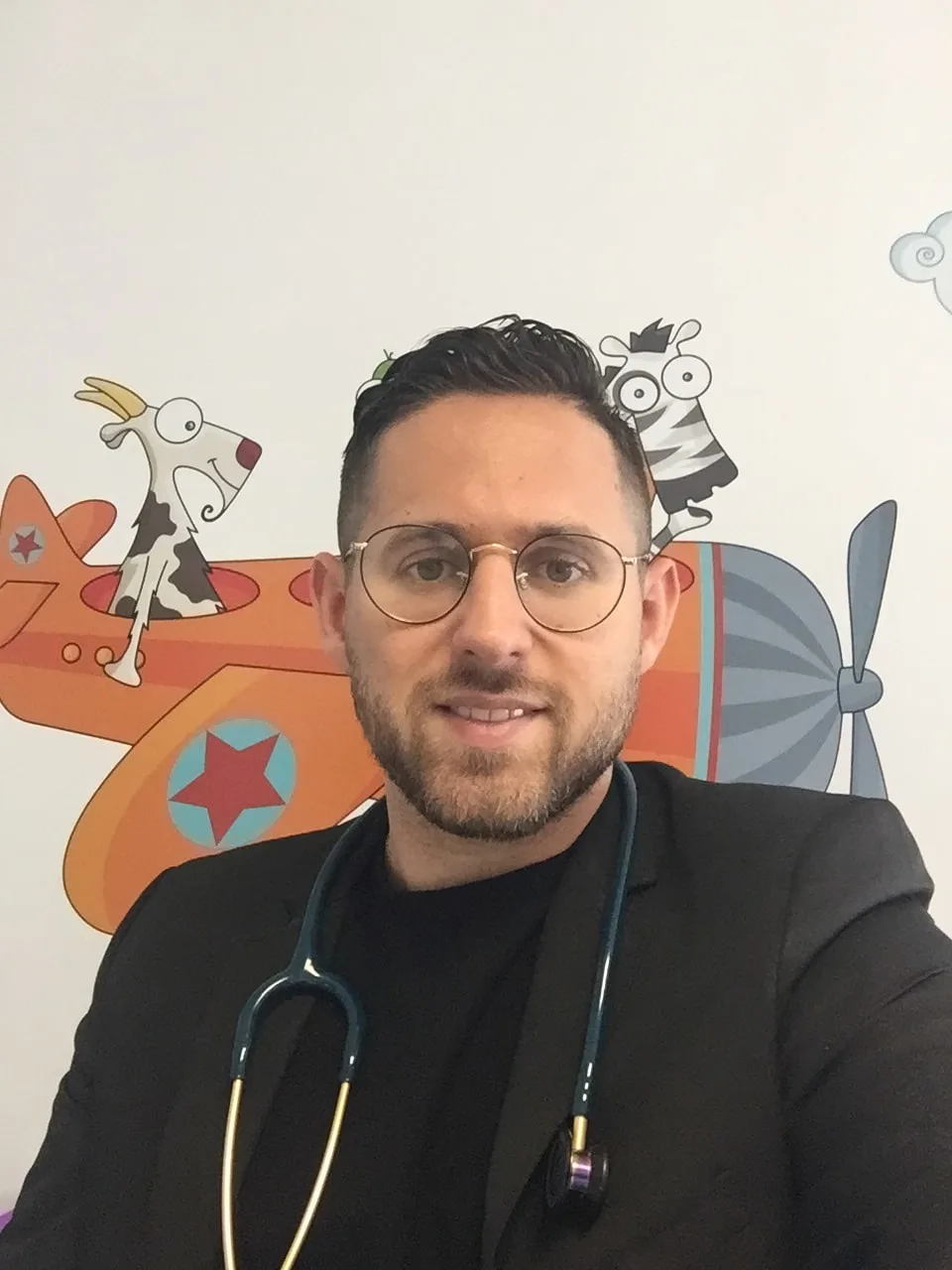
Dr Alexandre Reynaud
Amblyopia, often called lazy eye, affects nearly 100,000 children in Canada. When the usual treatment fails, there is no other option. This project tests a new one, done at home by reading books on a tablet.
3%of the population is affected by amblyopia
20children aged 7 to 14 take part, divided into two groups
30 minutesof reading a day, five days a week
The project in detail
The disorderAmblyopia is characterized by abnormal development of visual acuity in one eye and of binocular vision during childhood. Between 20 and 30% of affected children have reading problems and an increased risk of failing at school.
The limits of current treatmentPatching is mainly intended for young children, with relapses and difficult adherence. It often has little effect on depth perception.
The new approachSo-called dichoptic reading modulates the contrast between the two eyes. It can improve visual acuity and restore binocular vision.
The methodTwo groups of 10 children whose amblyopia persists after patching are compared. One does dichoptic reading, the other a placebo intervention. Depth perception, visual acuity, reading speed, adherence and comfort are measured at four and eight weeks.
The teamDr. Alexandre Reynaud, of McGill Vision Research at McGill University, works with Reza Abbas-Farishta, of the Université de Montréal.
What it changes for young people
One more optionOffer a solution to children for whom the usual treatment has failed.
At homeA digital therapy, with a wide choice of books.
Beyond amblyopiaAn approach that could be used for other binocular vision disorders.
Publications
CONTEXT
Amblyopia is characterized by abnormal development of visual acuity in one eye and of binocular vision during childhood. The standard treatment, patching, is mainly intended for young children and has its limits, including relapses and difficult adherence. It often has little effect on binocular vision, which affects depth perception, fine motor skills and many daily activities. A new approach, called dichoptic, modulates the contrast between the two eyes; it can improve visual acuity and restore binocular vision.
OBJECTIVES
- Assess whether a dichoptic reading application on a tablet improves depth perception after four weeks, in children whose amblyopia persists after patching treatment.
- Also measure, at four and eight weeks, the visual acuity of the amblyopic eye, reading speed, adherence and comfort.
- Compare two groups of 10 children aged 7 to 14: dichoptic reading and a placebo intervention, 30 minutes a day, five days a week.
POTENTIAL IMPACT ON CHILDREN’S HEALTH
Amblyopia affects about 3% of the population, or nearly 100,000 children in Canada. Between 20 and 30% of them have reading problems and an increased risk of failing at school. The project offers a new approach for children who have no other option when the standard treatment fails or is no longer indicated. This digital therapy is done at home, with a wide choice of books, and could be used for other binocular vision disorders.
Research on amblyopia, or lazy eye
This project is part of the research on amblyopia, or lazy eye supported by the Pediatric Research Foundation in Quebec.
Other projects in Child’s health and human development
Other projects in the same area
Child’s health and human development
Informations

Principal researcher
- Dr Alexandre Reynaud, Hôpital général de Montréal
Collaborators
- Reza Abbas-Farishta, Université de Montréal
Research Center
- Université McGill
Funded year
2023-2024
Project category
- Child’s health and human development